- Updated February 2, 2026
- Aswin
Stargazing in the Andamans
Discover the Islands After Dark


Choose the Right Spot and Time for Stargazing
The Andaman Islands offer incredible stargazing opportunities thanks to minimal light pollution in many remote areas. For the best experience, head to less-developed beaches like Lalaji Bay (Long Island), Radhanagar (Havelock), or Neil Island’s Sitapur Beach. Plan your stargazing session on clear, moonless nights, ideally between November and April, when skies are driest. While no special permits are required for stargazing itself, some islands or areas may require entry permissions or boat transfers, so plan logistics in advance to avoid last-minute hassles.

Choose the Right Spot and Time for Stargazing
The Andaman Islands offer incredible stargazing opportunities thanks to minimal light pollution in many remote areas. For the best experience, head to less-developed beaches like Lalaji Bay (Long Island), Radhanagar (Havelock), or Neil Island’s Sitapur Beach. Plan your stargazing session on clear, moonless nights, ideally between November and April, when skies are driest. While no special permits are required for stargazing itself, some islands or areas may require entry permissions or boat transfers, so plan logistics in advance to avoid last-minute hassles.
Stargazing in the Andamans

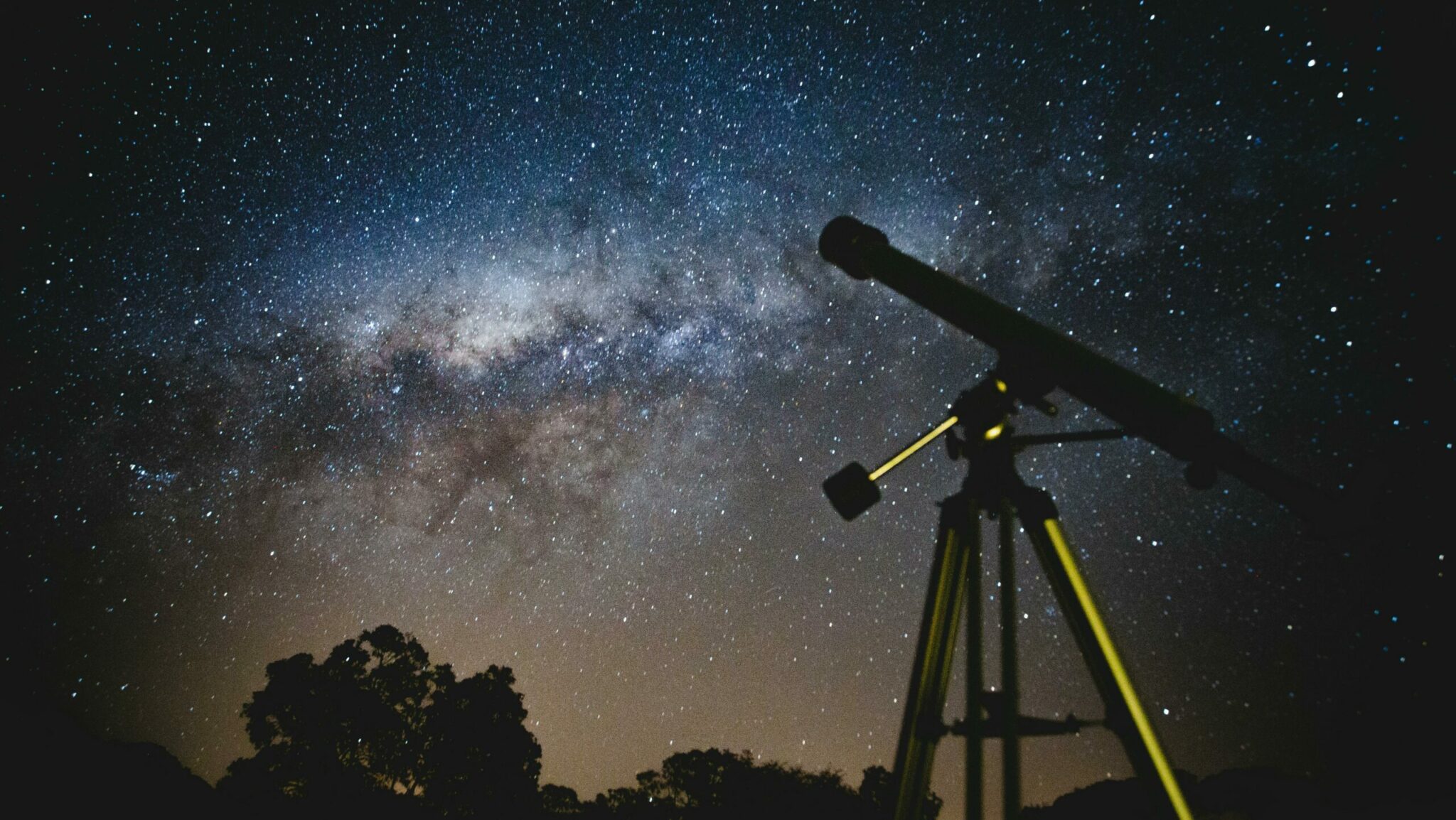
The Andaman holiday is a bag full of surprises. Yes, there are beaches to stroll on, volcanoes to explore. They also offer something truly magical once the sun sets, a chance to gaze up at a clear, star-filled sky. Stargazing has become an increasingly popular activity in the Andamans, especially among couples, families, and nature lovers looking to disconnect from city chaos and reconnect with the universe.
Why Try Stargazing in The Andamans?

1. Minimal Light Pollution
Unlike cities where streetlights and buildings cloud the night view, the Andamans enjoy minimal light pollution. That means on most clear nights, you’ll get an uninterrupted view of constellations, planets, and sometimes even the Milky Way. This is especially true during the dry months from November to March, when skies are usually clear.
2. Discover a New Hobby
Stargazing is simple to start and addictive once you get into it. The activity doesn’t require much just a blanket, a dark spot, and a bit of curiosity. Once you experience your first guided session, you may find yourself looking up more often, even after returning home.
3. Screen-Free Quality Time
Whether you’re on a honeymoon, a solo trip, or a family vacation, staring at stars together sparks a unique sense of wonder. It’s a chance to pause, reflect, and have conversations under the night sky, no screens, no distractions.
4. Perfect for Kids and Curious Minds
Kids love identifying stars and hearing stories about constellations. A guided session brings science and storytelling together, making it a fun learning experience for young ones (and curious adults too!).
Best Stargazing Spots in The Andamans

The Andamans have several locations that are naturally ideal for stargazing, thanks to their geography, light conditions, and minimal commercial development.
1. Stargazing in Port Blair
You’d think the capital city would be too crowded for stargazing – but surprisingly, it’s not. Places like Mount Harriet National Park and Chidiya Tapu are away from the main town and offer elevated viewpoints with darker skies. If you’re staying in Port Blair and short on time, these are your go-to spots for a night under the stars.
Best time to visit: Early evenings between November and February
Local Tip: Chidiya Tapu also offers stunning sunsets, so time your visit to catch both the sunset and the stars!
2. Stargazing in Neil Island
Neil Island, also called Shaheed Dweep, is a stargazer’s paradise. With almost no street lights and a quiet village-like feel, it offers some of the clearest skies in the archipelago. Laxmanpur Beach and Bharatpur Beach are excellent choices to lay down a mat, look up, and get lost in the stars.
Best time to visit: November to March, especially on moonless nights
Local Tip: Avoid beach-facing resorts with heavy lighting. Choose a darker, open beach patch for the best experience.
3. Stargazing in Havelock Island
Havelock (now known as Swaraj Dweep) may be popular for its diving and beach parties, but come nightfall, it turns into a peaceful haven. Radhanagar Beach and Kalapathar Beach, with its vast open shoreline and limited artificial lighting, is one of the top stargazing spots in all of Andamans. The gentle sound of waves makes it even more special.
Best time to visit: Weekdays when beaches are less crowded
Local Tip: Bring a thin blanket or mat and arrive a bit early to find a comfortable spot. The beach is massive, so spread out and enjoy.
Fee: Starts from Rs. 2500/-
Duration: 1.5 – 2 hours
Locations: Port Blair, Havelock Island, Neil Island.
G2A Tip: Stargazing in the Andaman Islands offers a peaceful way to experience the night sky away from city lights. With minimal light pollution in select spots across Port Blair, Havelock, and Neil Island, you can spot constellations, planets, and a blanket of stars. Choose clear nights for the best visibility and carry light layers for comfort during the session.
Why Book a Guided Stargazing Experience?

Sure, you can spot a few stars on your own. But a guided stargazing experience in the Andamans goes way beyond that. Here’s what you can expect:
1. Powerful Telescopes: You’ll be using reflective telescopes with 8-inch and 12-inch lenses. These are high-grade instruments capable of spotting details you’d never see with the naked eye — think Jupiter’s moons or Saturn’s rings!
2. Expert Hosts: The guides are passionate about astronomy and mix scientific facts with captivating mythological stories. You’ll hear about Orion the hunter, how sailors used Polaris for navigation, and the science behind shooting stars — all while actually looking at them.
3. Story-Based Approach: It’s not just science — it’s storytelling under the stars. Guides often share local and cultural legends associated with the stars. Kids especially love these fun tales that give each constellation a memorable identity.
4. 90-Minute Session: Most sessions last 90 minutes — just the right amount of time to explore the sky without feeling rushed. If skies are cloudy or the weather isn’t ideal, sessions may be rescheduled so you don’t miss out.
5. What You Might See: Depending on the time of year and night sky conditions, you might spot:
- Constellations like Orion, Ursa Major, and Scorpius
- Planets like Mars, Venus, Saturn or Jupiter
- Star clusters and even binary star systems
- Occasionally, meteor showers or satellites
Fee: Starts from Rs. 2500/-
Duration: 1.5 – 2 hours
Locations: Port Blair, Havelock Island, Neil Island.
G2A Tip: Stargazing in the Andaman Islands offers a peaceful way to experience the night sky away from city lights. With minimal light pollution in select spots across Port Blair, Havelock, and Neil Island, you can spot constellations, planets, and a blanket of stars. Choose clear nights for the best visibility and carry light layers for comfort during the session.
Stargazing 101: Quick Tips for a Great Experience
Here are some simple things to keep in mind to make the most of your stargazing session:
- Dress Comfortably: Wear full sleeves and long pants to avoid bug bites. Carry a light jacket, it can get windy at night.
- Avoid Flashlights: Let your eyes adjust to the dark. Avoid using phone flashlights unless they have a red light mode.
- No Plastics: Carry your water and snacks in steel or glass containers. Plastic is discouraged due to environmental concerns on the islands.
- Come with Curiosity: You don’t need to know anything about the stars. Just come with an open mind and a sense of wonder.
- Moon Matters: For deeper sky viewing, avoid full moon nights. Guides usually plan sessions based on moon cycles.
Frequently asked questions
Is the Andaman Islands a good destination for stargazing?
Yes. The Andamans have low light pollution, especially on remote beaches and smaller islands, making them ideal for clear night sky views.
When is the best time of year for stargazing in the Andamans?
The best months are November to April, when the skies are generally clear and there's minimal cloud cover or rain.
Can I see the Milky Way in the Andamans?
Yes, especially during new moon nights and in areas with minimal artificial light. It’s more visible in the dry season.
Are there any astronomical observatories in the Andaman Islands?
No public observatories currently exist in the Andamans. Stargazing is primarily a natural experience done independently.
Will weather affect my stargazing plans?
Yes. Cloud cover, humidity, and rain can obstruct visibility. Always check local weather forecasts before heading out.

Aswin
Other Guides

Want to go to the Andaman Islands? Read our travel guide for details about how to reach Port Blair and other islands of the Andamans. Get information on Port Blair’s best things to do, recommended places to visit, and hotels.

Planning a trip to Havelock Island? Our guide covers how to get there, the best beaches to visit, top water sports, and recommended places to stay for an unforgettable Andaman experience.

Visiting Neil Island? Check our travel guide for how to reach, must-visit beaches, top activities, and the best hotels to make the most of your laid-back island vacation.
Attractions in Andaman & Nicobar Islands
Planning a trip to the Andaman?
We made this because we were tired of hearing “I wish I knew this earlier.” Ferries, permits, best stays, right beaches, everything you need, all in one place. Plan it yourself, just better.
Because it’s all about #moments that matter.
- Locally Verified
- Tried and tested
- Handpicked LISTINGS
- No sponsored picks